
Plant Compounds: Understanding Phytochemistry
An exploration of the chemical compounds found in plants, their structures, and their roles in plant biology and human wellness.
What are Phytochemicals?
Phytochemicals are naturally occurring compounds produced by plants. The term comes from "phyto" (plant) and "chemical." Plants produce thousands of different compounds as part of their normal biology, serving functions such as photosynthesis, growth, defense against pests, and environmental adaptation.
These compounds include vitamins, minerals, amino acids, and thousands of other substances. Many are unique to plants and cannot be synthesized by the human body, requiring dietary intake.
The diversity of phytochemicals across different plant species explains why botanical extracts from different sources have such varied properties and applications.
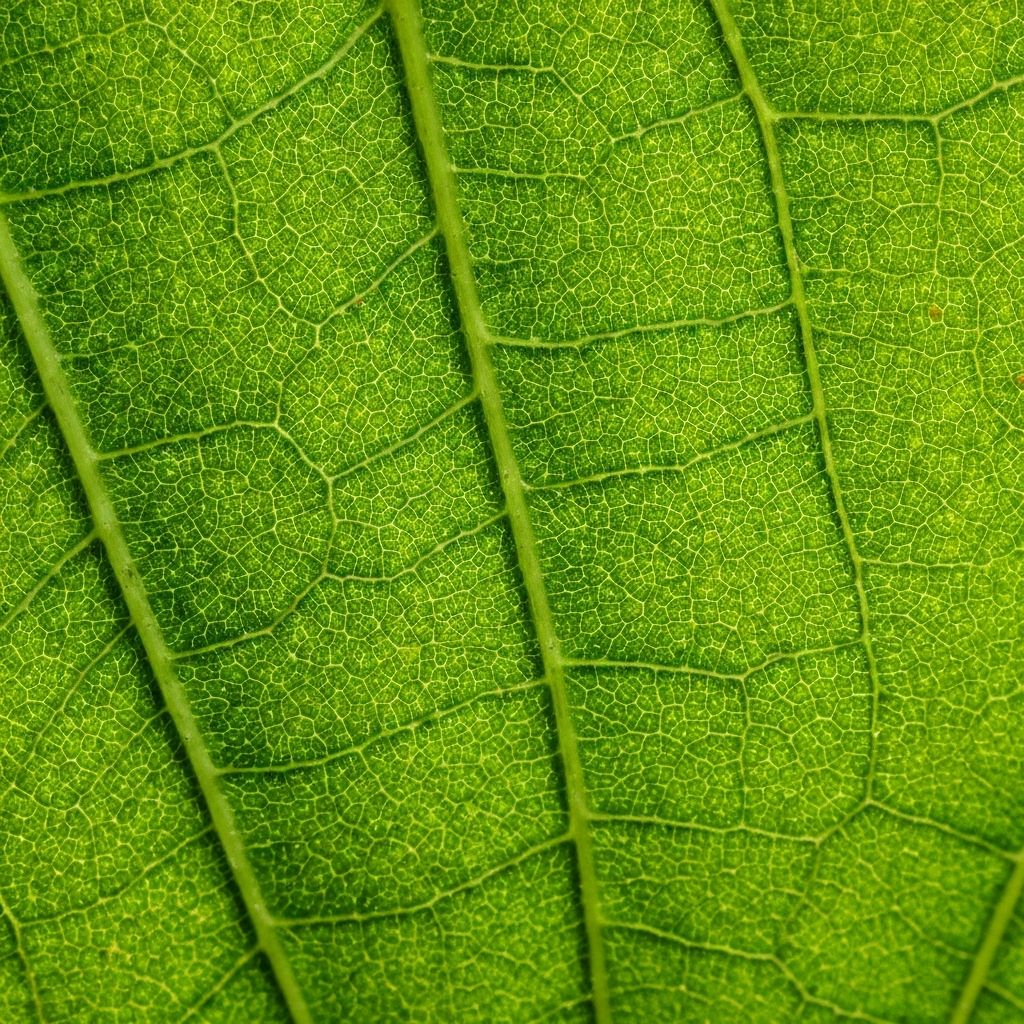
Major Categories of Plant Compounds
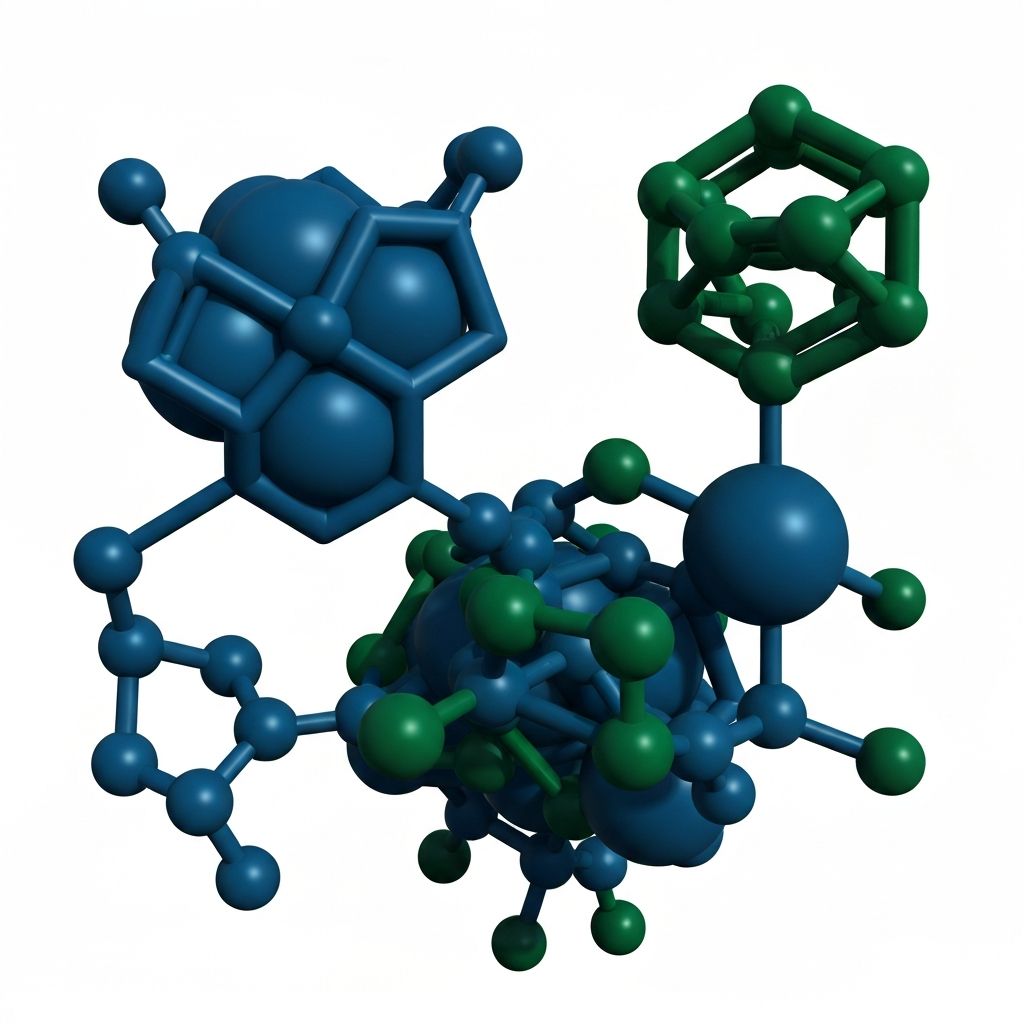
Alkaloids
Nitrogen-containing compounds that often have potent biological effects. Examples include caffeine in coffee, nicotine in tobacco, and morphine in poppies. Alkaloids have been used in traditional medicine and modern pharmaceuticals.
Terpenes
Volatile compounds responsible for the aromatic properties of many plants. Found in essential oils, they contribute to plant scents and flavors. Terpenes are used in aromatherapy and food industry.
Phenolics and Polyphenols
A large group including flavonoids and tannins. These compounds are often credited with antioxidant properties and are abundant in fruits, vegetables, tea, and wine.
Common Plant Compound Categories
- Flavonoids: Provide color to fruits and flowers; found in berries, citrus, and tea
- Tannins: Responsible for astringency; found in grape skins, tea, and certain tree barks
- Essential Oils: Volatile aromatic compounds; concentrated in flowers, leaves, and seeds
- Glycosides: Compounds with a sugar component; many have biological activity
- Carotenoids: Pigments producing yellow, orange, and red colors; important nutrients
- Saponins: Compounds that create foam in water; found in legumes and some herbs
How Plants Produce These Compounds
Plants synthesize these compounds through metabolic pathways involving enzymes and cellular processes. The specific compounds and their concentrations depend on:
- Plant genetics and species
- Growing conditions (soil, climate, sunlight)
- Time of harvest and plant maturity
- Storage and handling methods
- Processing and preparation techniques
Bioavailability and Absorption
Understanding plant compounds requires knowledge of bioavailability—how well the human body can absorb and utilize these substances. Factors affecting bioavailability include:
The chemical form of the compound, the presence of other compounds that aid or inhibit absorption, the health of the digestive system, and individual metabolic factors. This is why the same botanical extract may have different effects in different individuals.
Scientific Study of Plant Compounds
Contemporary phytochemistry uses advanced analytical techniques including:
- High-Performance Liquid Chromatography (HPLC) to identify and quantify compounds
- Mass Spectrometry to determine molecular structures
- Cell-based and animal models to study biological effects
- Clinical research to evaluate effects in humans
Educational Note
This article provides educational information about plant chemistry and phytochemicals. While it describes the compounds found in plants and their general properties, it does not constitute medical information or recommendations for treatment.
Not a medical product. Always consult a healthcare professional before use.