Traditional Knowledge and Botanical Use
Exploring how different cultures have traditionally used botanical extracts, the historical context of these practices, and their significance in understanding plants today.
Ancient Botanical Knowledge Systems
For thousands of years, cultures worldwide have developed sophisticated knowledge about botanical materials. These knowledge systems emerged through careful observation, experimentation, and the recording and passing of information across generations.
Traditional medicine systems like Ayurveda in India, Traditional Chinese Medicine, African traditional medicine, and indigenous healing practices developed complex understanding of how botanical materials affect the body and support wellness.
These systems documented not only which plants were used, but also when to harvest them, how to prepare them, appropriate dosages, and potential interactions.
Regional Botanical Traditions

Asian Traditions
Traditional Chinese Medicine has documented thousands of botanical materials, many used for thousands of years. Ayurvedic medicine in India developed the concept of three doshas and specific botanical approaches for balancing them. Both systems remain influential today.
African and Indigenous Practices
African traditional medicine systems and indigenous practices throughout the Americas developed extensive botanical knowledge adapted to local ecosystems. Many of these practices centered on plant materials for wellness and healing.
Mediterranean and European Traditions
Greek and Roman herbalism documented by physicians like Dioscorides influenced European botanical knowledge for centuries. Medieval monasteries preserved and expanded this knowledge, creating extensive herb gardens.
Common Traditional Uses by Region
Asia
Ginseng for vitality, turmeric for general wellness, ginger for digestion, jasmine and lotus for spiritual practice
Africa
Baobab for nutrition, rooibos for wellness, moringa for various uses, acacia for traditional preparations
Americas
Echinacea by indigenous peoples, cacao as valued plant, cinchona for historical uses, various regional herbs
Mediterranean
Olive for multiple uses, oregano and thyme for culinary and wellness, rosemary in various preparations
Preservation and Documentation
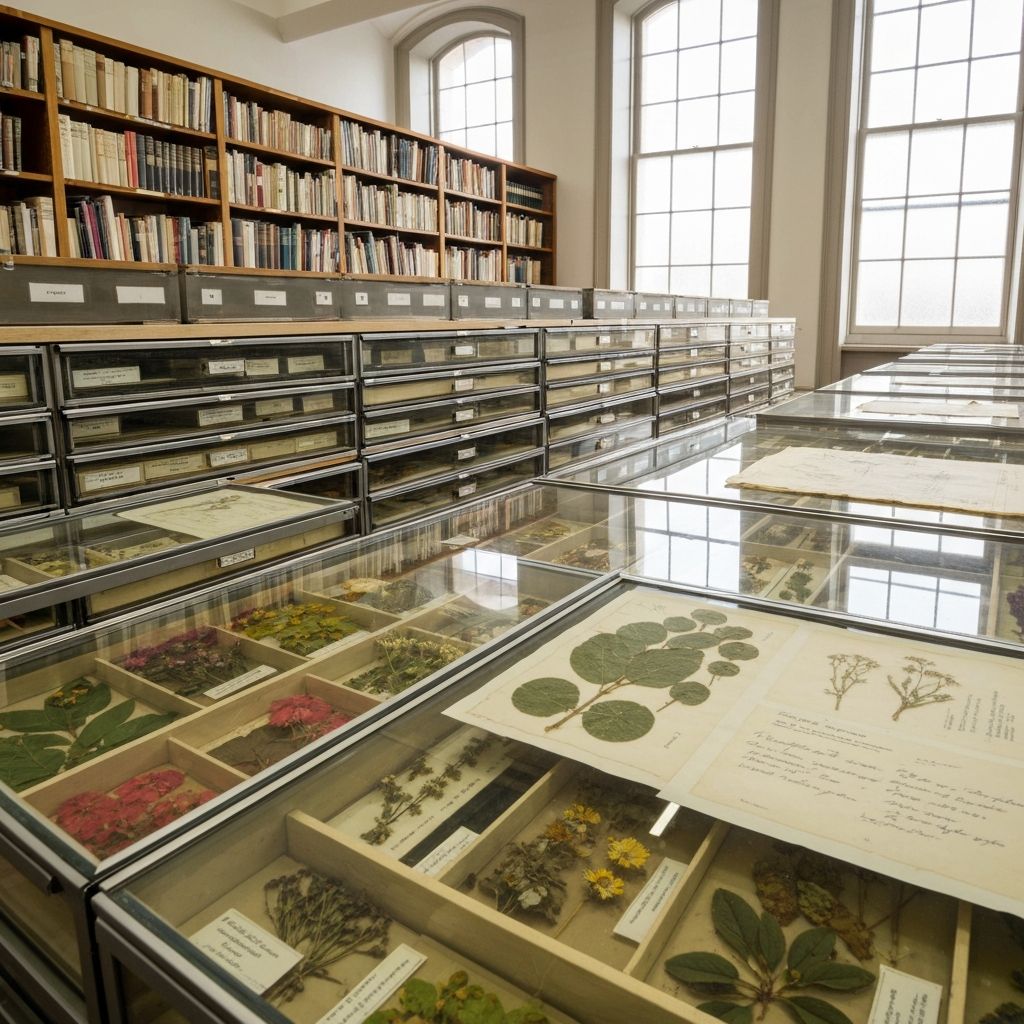
Traditional botanical knowledge was typically preserved through oral transmission, apprenticeship systems, and eventually written herbals and medical texts. Famous examples include:
- Dioscorides' "De Materia Medica" (1st century CE), documenting over 600 plants
- Traditional Chinese Medicine texts like the "Shennong Ben Cao Jing"
- Medieval European herbals and monastic records
- Indigenous knowledge documented in various forms
Integration with Modern Science
Contemporary botanical science often begins with traditional knowledge. When scientists investigate a plant used traditionally, they often find compounds that explain some of its properties. This process has yielded many important drugs and supplements.
However, traditional use does not automatically confirm medical efficacy by modern scientific standards. Traditional uses provide a starting point for research, and modern science applies rigorous testing to verify or refute traditional claims.
Cultural Significance Beyond Medicine
Botanicals have held importance beyond health in many cultures—as spiritual tools, ceremonial plants, food sources, and crafting materials. Understanding this broader context helps explain why certain plants have been valued across generations.
Educational Note
This article describes historical and traditional uses of botanical materials for educational purposes. Traditional use does not necessarily indicate modern efficacy by scientific standards. Always consult qualified healthcare professionals for medical decisions.
Not a medical product. Always consult a healthcare professional before use.